Delivering freight across Scotland can involve different challenges depending on where it's going. While a delivery to a major mainland town may be relatively straightforward, getting goods to a remote Highland location or island community can involve longer distances, ferry connections, rural roads and changing weather conditions.
For businesses, this means reliable freight delivery to the Highlands and Islands is about having the planning, local knowledge, network and communication needed to keep goods moving when the journey involves a few more variables.
Here at Streamline, we've been moving freight across Scotland and the wider UK for over 40 years. Our experience of working across the Highlands, rural mainland Scotland and island communities has taught us that good logistics starts with understanding the journey well before it begins.
So, what should you expect from a reliable freight partner when you're sending goods into remote areas in Scotland? Read our full guide below.
Why does remote freight delivery require more planning?
Firstly, it’s important to understand that the biggest difference between standard mainland freight and remote delivery is the number of factors that can influence the journey.
A delivery into the Highlands, for example, usually involves considerably longer road distances and less alternative routes than a delivery between two major UK cities. When goods are travelling onwards to island communities such as Orkney or Shetland, sea transport and ferry schedules can become another important part of the logistics plan.
The journey isn't always as simple as:
Collection → transport → delivery
There can be more stages involved, including collection, movement to a regional depot, consolidation and onward transport before final delivery.
And the further a delivery travels, the more important it becomes to consider how those different stages fit together.
Scottish weather undoubtedly also plays a role: strong winds, poor visibility and difficult road conditions can affect journeys across Scotland, while ferry disruptions can have a knock-on effect on deliveries to island communities.
This doesn’t mean remote freight delivery has to be unreliable, though. It simply means more planning is required.
What makes a freight delivery reliable?
At Streamline, reliability starts long before a vehicle leaves the depot.
A good freight plan considers the whole journey rather than focusing solely on the collection and delivery: looking at the route, the type of freight, available transport connections, any time-sensitive requirements and what needs to happen if circumstances change.
These are a few key things we believe make a difference:
1. Planning the complete journey
A reliable freight partner should understand what needs to happen between collection and final delivery.
For remote destinations, that could involve coordinating different parts of the journey and making sure freight reaches the right point at the right time.
This is particularly important where ferry connections are involved. Missing a scheduled sailing can have a much bigger impact on a delivery than a minor delay on a standard mainland journey. Planning the journey as a whole helps us identify those potential pain points before the freight is on the road.
2. Having the right network behind the delivery
A freight vehicle is just one part of a wider logistics operation. A strong regional network allows freight to move through strategic locations as it travels across the country, helping connect remote destinations with the wider UK distribution network.
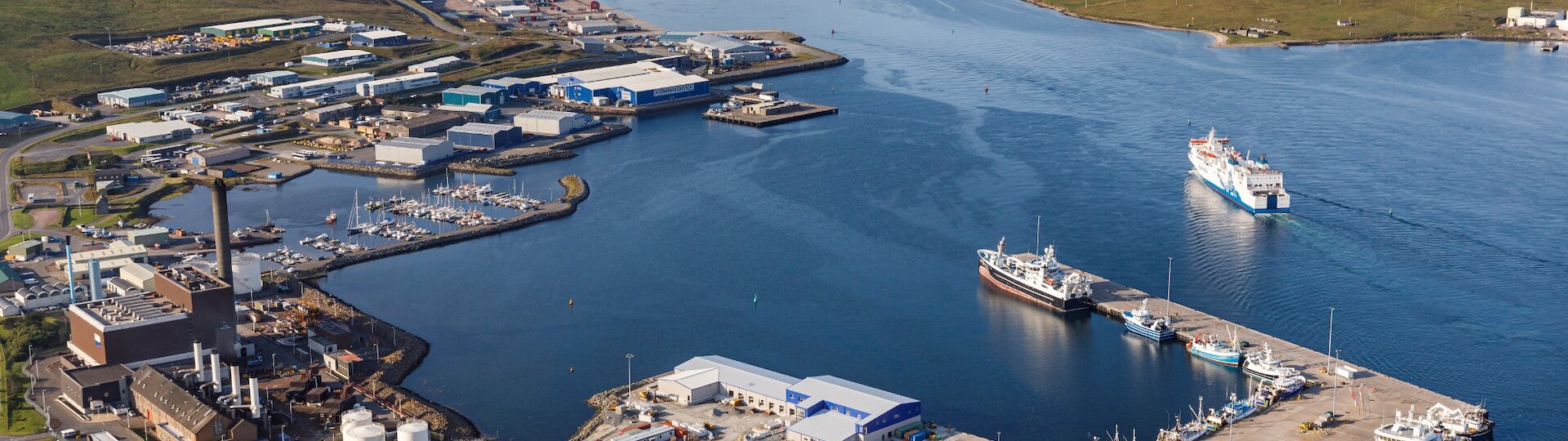
Our operations across Scotland, including our Inverness depot, provide important links for freight travelling into the Highlands and northern Scotland. Our island operations in Orkney and Shetland then provide local infrastructure for consignments travelling beyond the mainland.
For customers, that means a delivery into a remote location can form part of a wider logistics network rather than being treated as an isolated journey.
3. Understanding the local area
Local knowledge is another important part of reliable freight delivery.
While a map can tell you where a destination is, it doesn't necessarily tell you everything you need to know about getting freight there efficiently.
Rural roads, local delivery requirements, regional transport connections and the practicalities of moving freight through smaller communities can all make a difference.
That's why we believe experience of the areas we serve is just as important as the vehicles used to deliver the goods.
How do ferry connections affect freight planning?
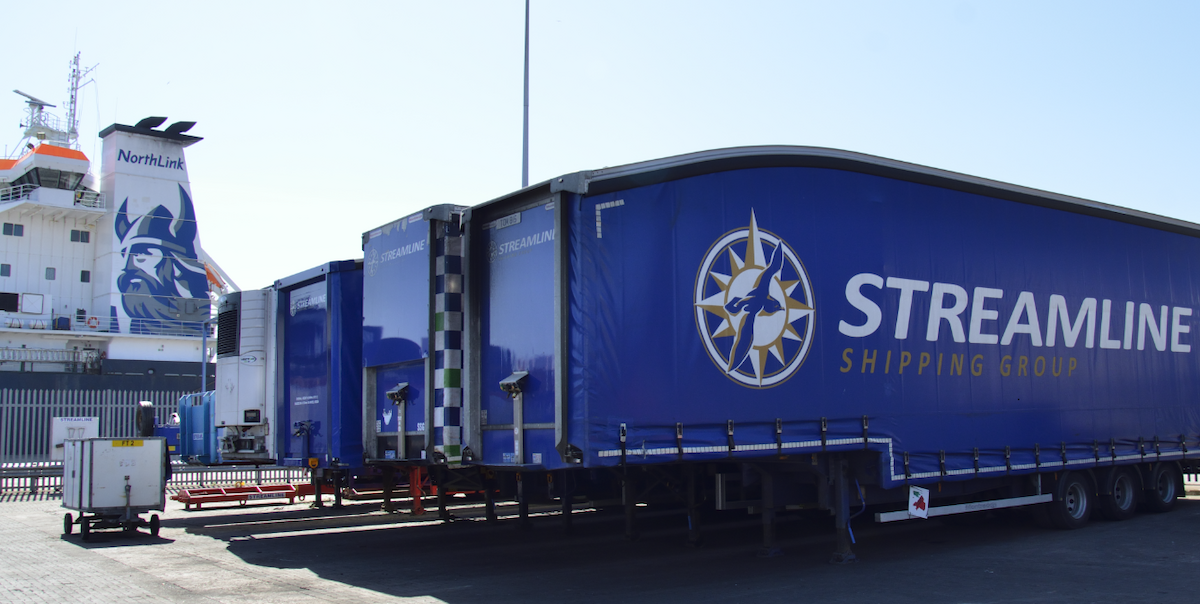
For freight travelling to Scotland's islands, ferry connections become an important part of the wider logistics plan.
Orkney and Shetland are good examples: freight travelling from the mainland may need to connect with a scheduled sailing before continuing to its final destination, and the road journey and sea journey can't be planned completely separately.
The timing of the collection, the movement of the freight, the relevant sailing and the final delivery all need to work together.
Weather and operational disruption can also affect ferry services, which is why we don't see a ferry crossing as simply another step to tick off a delivery schedule. It’s a part of the journey that needs to be considered from the outset.
At Streamline, our established island network includes our Kirkwall depot in Orkney and our Shetland hub, helping connect island freight movements with our wider Scottish and UK network.
For businesses that regularly send freight to the islands, having an established logistics network can make the process much more straightforward. Instead of treating each consignment as a completely separate challenge, we can build the movement into the wider distribution plan.
How can storage and consolidation help with freight planning?
Sometimes the most efficient way to manage freight isn't to move it directly from collection to final delivery.
Storage and consolidation can provide useful flexibility when goods arrive ahead of their final delivery, need to be grouped with other consignments or are waiting for onward transport.
This can be particularly helpful when dealing with remote destinations, where transport connections and delivery schedules need to be coordinated carefully.
For example, freight may arrive at a regional facility before being moved onwards when the appropriate transport connection is available. Having access to local infrastructure can therefore provide another layer of flexibility within the overall logistics process.
Our Kirkwall depot supports the wider movement and distribution of freight in Orkney, helping connect island deliveries with the wider Streamline network.
This is also where the difference between simply transporting freight and managing logistics becomes important: the objective isn't always to move something as quickly as possible; sometimes it's about moving it at the right time and in the most practical way.
What about freight deliveries across the mainland Highlands?
Remote freight doesn't necessarily mean island freight. The Scottish Highlands covers a large geographical area, with businesses, communities and industrial sites spread across rural locations and long-distance routes.
For businesses sending goods into the region, distance is one consideration, but so is the availability of alternative routes and transport options.
A reliable freight network makes a difference here because the Highlands doesn't need to be treated as a completely separate logistics operation.
Streamline’s Inverness depot forms part of our wider Scottish network and helps us connect freight moving into the Highlands with destinations across Scotland and the wider UK.
For businesses making regular deliveries into the Highlands, consistency is also particularly valuable. Knowing how long freight is likely to take, understanding how the delivery will be managed and having a reliable point of contact can make it much easier to plan stock and customer commitments.
How should you plan for weather-related disruption?
When you're moving freight across Scotland, it makes sense to recognise that weather can sometimes affect a journey.
That doesn't mean every delivery should be planned around the assumption that something will go wrong…but it does mean allowing sensible flexibility where the route or destination makes disruption more likely.
For example, strong winds may affect ferry services, while winter conditions can make some rural roads more challenging. The important thing is having a freight partner who understands that these things can happen and knows how to communicate when they do.
And at Streamline, we believe good communication is a fundamental part of reliable logistics.
If circumstances change, customers need to know what has happened, how it could affect their delivery and what the next step is. That’s much more useful than simply promising a delivery time without explaining the factors that could affect it.
Why are realistic delivery times important?
While speed is understandably important to businesses, reliable logistics is less about promising the shortest possible delivery time and more about providing a realistic expectation and then working to meet it.
Remote deliveries usually involve greater distances, more transport connections and fewer opportunities to recover from a missed connection, so building a sensible amount of time into the plan can be more valuable than setting an unrealistic deadline.
This is particularly important when freight contains materials for a specific project, stock for a business or equipment that someone is relying on to keep operations moving.
A realistic delivery schedule gives everyone involved a better opportunity to plan ahead.
And if something outside of one’s control does affect the journey, good communication means the customer can make informed decisions rather than being left wondering where their freight is.
What should you look for in a reliable freight partner?
If you're comparing freight and haulage companies, price will naturally be a consideration. But if you're sending freight into rural or remote parts of Scotland, there are several other questions worth asking.
Do they have experience in the areas you need to reach?
A provider with experience across Scotland is likely to have a better understanding of the practical challenges involved in longer-distance and remote deliveries.
Do they have a wider logistics network?
Look beyond the individual vehicle. Depots, regional facilities and established transport connections can all play an important role in moving freight efficiently.
How do they approach planning?
Ask how the delivery will be managed from collection through to final destination, particularly if the journey involves additional transport connections.
How do they handle disruption?
No logistics provider can control the weather or prevent every transport disruption. What matters is whether they have a sensible approach to managing problems and keeping customers informed.
Can they provide flexibility?
Depending on your requirements, you may need pallet delivery, groupage, storage, consolidation or larger commercial freight movements. A partner that can provide different options may be better placed to support changing requirements.
Will you have clear communication?
Reliable freight isn't just about the physical movement of goods. Being able to communicate with the team managing your delivery is an important part of the service.
How we keep freight moving across Scotland
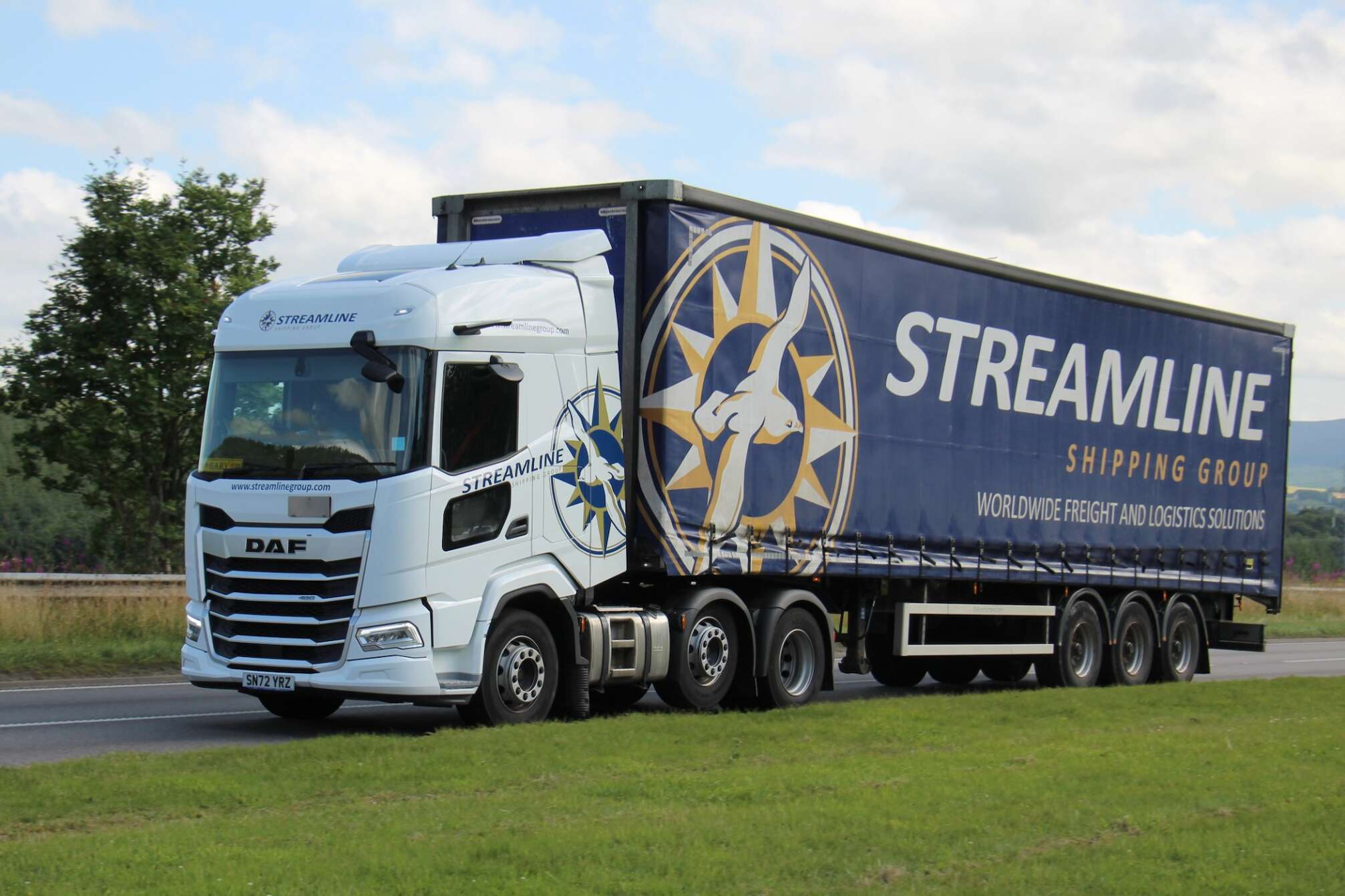
At Streamline, we've built our network around connecting businesses and communities across Scotland and the wider UK.
That includes major mainland locations, the Highlands and remote island communities.
Our approach is based on combining the practical things that make freight work: regional infrastructure, local knowledge, careful planning and communication.
Our Pallets & Local Distribution services support businesses moving freight around Scotland, while our wider network allows us to connect those movements with destinations further afield.
For deliveries into Orkney and Shetland, our established island operations provide another important link in the journey, helping connect island communities with the wider UK freight network.
The result is a joined-up approach to logistics rather than simply looking at individual deliveries in isolation.
For us, that's what reliable freight delivery should mean; not promising that every journey will be completely unaffected by circumstances outside our control, but having the experience, network and planning behind us to keep things moving and communicate clearly when something does change.
Making remote freight delivery more straightforward
Delivering freight to the Highlands and Islands will always involve some additional considerations.
The distances can be greater, the routes can be more challenging, and ferry connections and weather can introduce variables that aren't present on a mainland delivery.
But with the right planning and the right logistics partner, those challenges don't have to become your problem – that's where we come in!
Whether you're regularly moving pallets into the Highlands, sending commercial freight to an island community or arranging a one-off delivery to a remote Scottish location, we're here to help you understand the practicalities and find the right way to move your goods.
Need to plan a freight delivery into the Highlands or Islands?
Send us your collection and delivery locations, the details of your freight and your preferred timescale, and our team can help you work out the most appropriate solution.