For businesses importing or exporting goods, understanding how international freight forwarding services work for the UK is essential. Whether you’re moving goods across Europe or shipping globally, choosing the right transport mode can affect cost, transit times and customs compliance.
We’ll explain the main differences between sea freight services, air freight and international road transport as well as answer common questions around shipping routes, transit times and customs documentation. If you’re importing or exporting goods in the UK and want a clear, practical overview of global logistics (without unnecessary jargon), this post is for you.
What Is International Freight Forwarding?
International freight forwarding is the coordination and management of moving goods across borders. A freight forwarder (like Streamline Shipping) arranges transport, manages customs documentation and compliance, and ensures shipments move efficiently from origin to destination.
Professional international freight forwarding providers in the UK typically handle:
- Booking shipping routes
- Managing transit times
- Preparing customs documentation
- Overseeing international freight customs clearance
- Coordinating multi-modal transport (sea, air, road)
With post-Brexit trading arrangements and evolving global regulations, accurate customs documentation and customs clearance are both more important than ever. The UK Government provides detailed guidance on importing and exporting goods, including required declarations and compliance procedures. Working with an experienced freight forwarder such as Streamline, however, greatly reduces the risk of delays or unexpected costs later on.
Sea Freight Services for the UK
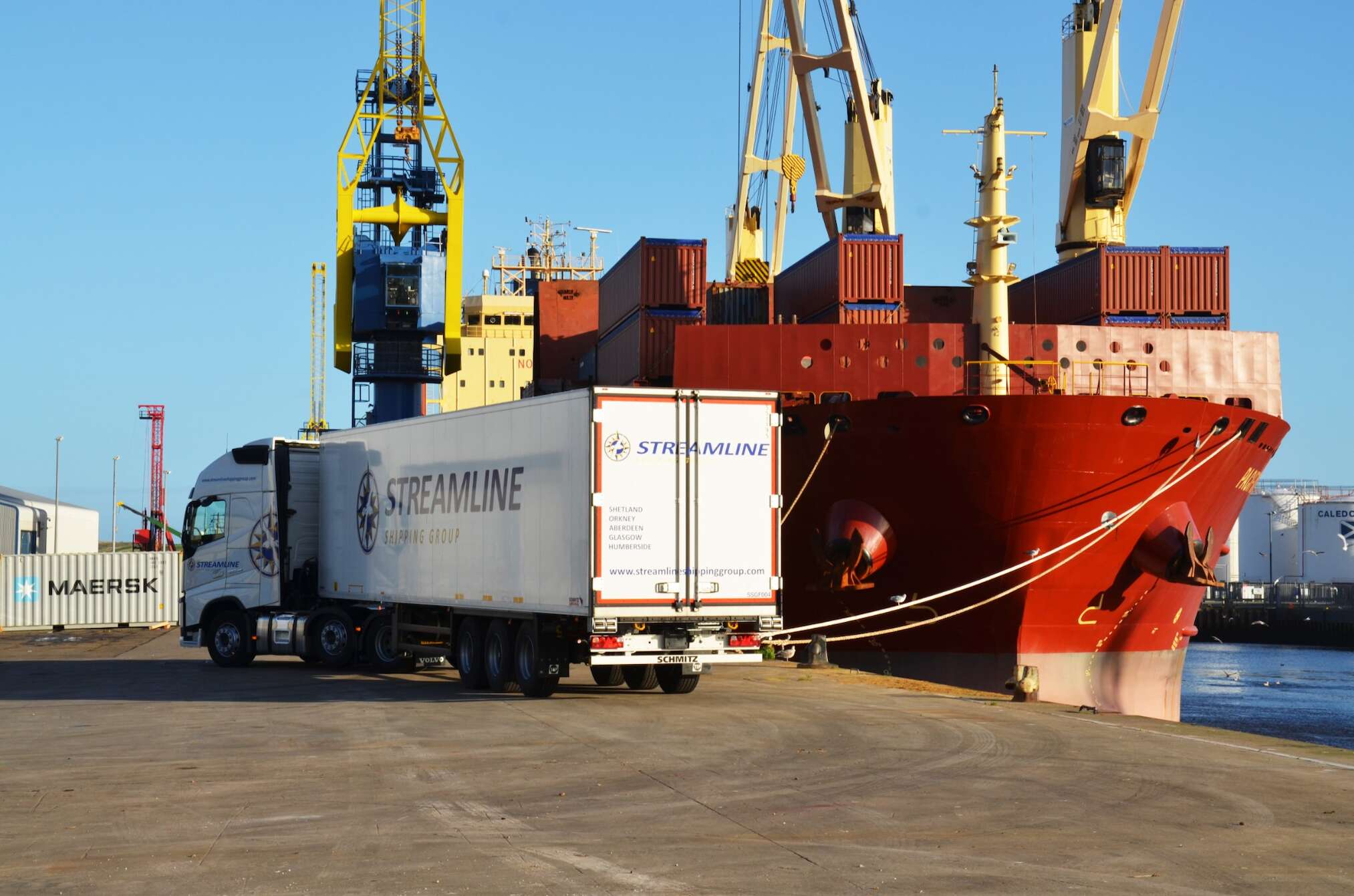
Sea freight is one of the most cost-effective methods for moving large volumes internationally.
When is sea freight suitable?
Sea freight services for the UK are typically ideal for:
- Bulk shipments
- Heavy cargo
- Non-urgent deliveries
- Cost-sensitive import/export freight operations
Typical transit times
Transit times for sea freight vary depending on shipping routes and port schedules. As a general guide:
- UK to Europe: several days to 2 weeks
- UK to Asia or North America: 3–6 weeks
While sea freight is highly reliable, transit times can occasionally be influenced by factors such as port congestion or seasonal weather conditions. An experienced freight forwarder monitors these variables closely to minimise disruption and keep shipments moving. Although slower than air freight, sea freight offers significant cargo capacity and cost efficiency for larger consignments.
Cost factors of sea freight
Sea freight pricing is influenced by:
- Container size (full container load or shared container)
- Port handling charges
- Fuel costs
- Customs clearance fees
For many importers and exporters, though, sea freight forms the backbone of global logistics strategies.
Air Freight Forwarding
Air freight forwarding is the fastest way to move goods internationally.
When is air freight best?
UK air freight is often used for:
Time-sensitive shipments
High-value goods
Perishable or urgent stock replenishment
Smaller consignments that require speed
Typical transit times
Air freight shipments can often move between major global hubs within 1–3 days, depending on flight availability and customs clearance requirements.
Cost factors for air freight
Air freight is typically more expensive than sea freight due to limited cargo space and fuel costs. However, when delivery schedules are tight, the speed may justify the investment.
Measures are in place to ensure cargo carried to and from the UK is screened and secure under UK Civil Aviation Authority regulations, reinforcing the importance of working with experienced air freight forwarding specialists if you want to minimise the risk of complications.
International Road Freight
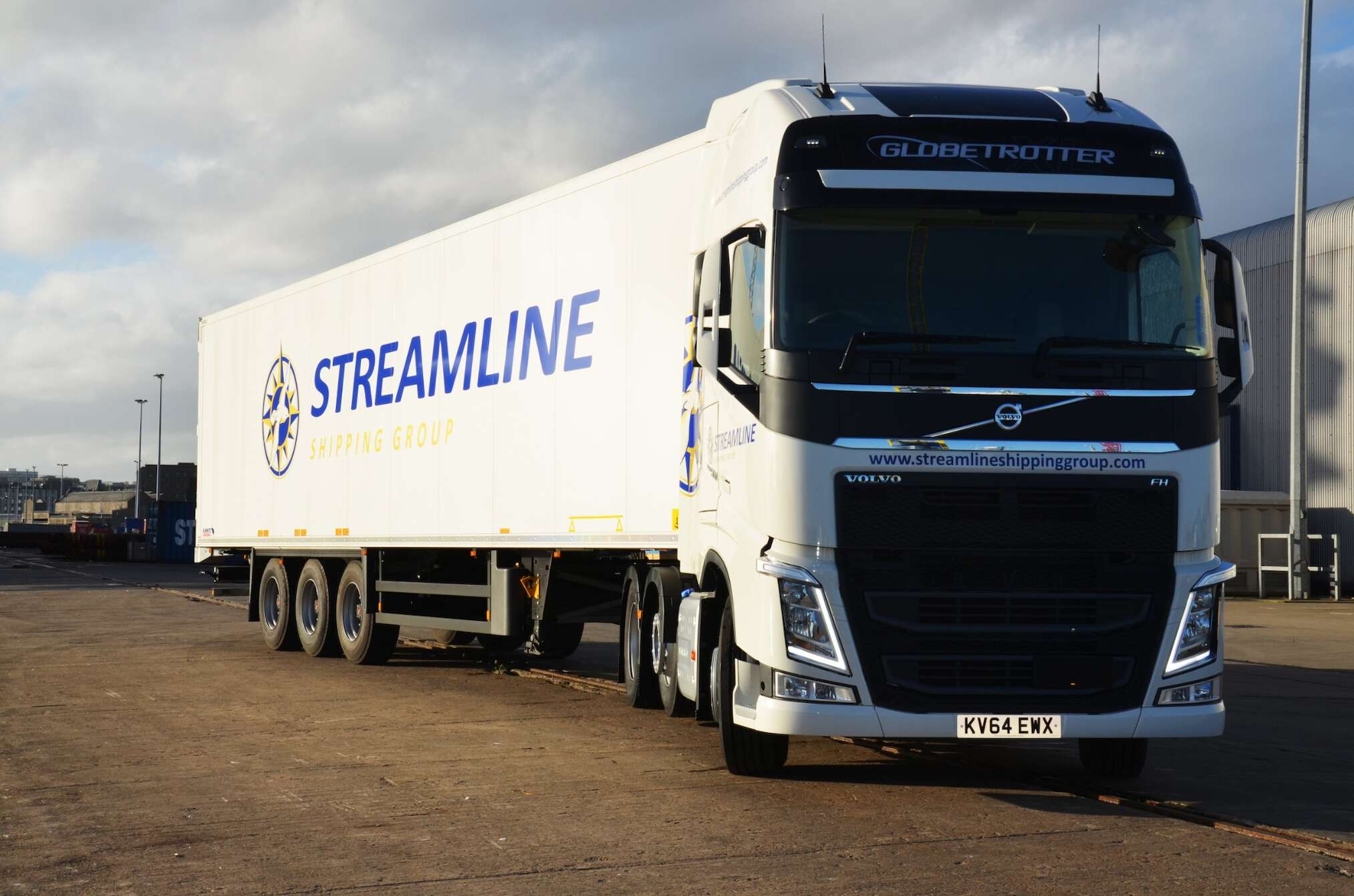
For trade within Europe, international road freight remains a flexible and efficient option.
Benefits of road freight
- Direct door-to-door delivery
- Shorter transit times than sea freight within Europe
- Flexible scheduling
- Ideal for part loads or full loads
Road freight is particularly effective for importing and exporting freight between the UK and Europe, offering a practical balance between cost and transit time.
Sea vs Air vs Road – How to Choose
There is no one-size-fits-all answer when it comes to international freight forwarding. The best shipping option depends on:
- Urgency of delivery
- Cargo capacity required
- Budget
- Destination and shipping routes
- Customs documentation and regulatory complexity
As a general rule, sea freight prioritises cost efficiency and air freight prioritises speed, while road freight offers balance and flexibility within Europe.
An experienced international freight forwarding UK partner such as Streamline Shipping Group can assess your goods, timelines and compliance requirements before recommending the most suitable solution.
Customs Documentation and Compliance
Customs documentation is a critical part of international freight customs clearance. Errors can lead to delays, storage fees or even rejected shipments.
Typical customs documents may include:
- Commercial invoices
- Packing lists
- Bills of lading or airway bills
- Customs declarations
- Commodity codes (HS codes)
If you’re shipping from the UK, the government outlines specific guidance on customs declarations. By working with a knowledgeable freight forwarder such as Streamline, businesses can ensure customs documentation and compliance requirements are handled correctly from the outset.
Why Work With Streamline Shipping Group?
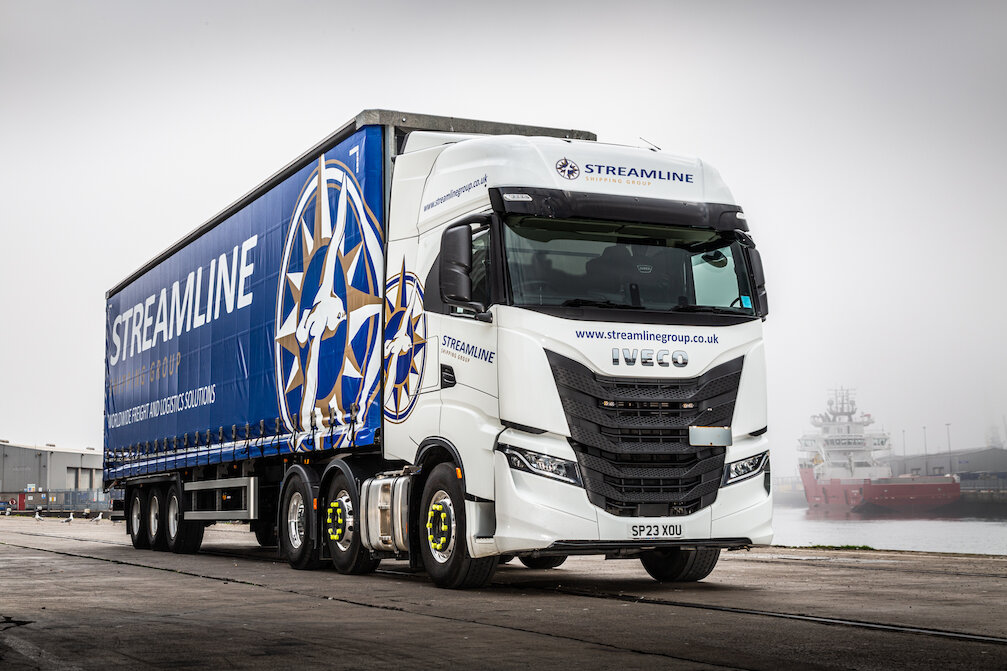
Streamline Shipping Group supports businesses with international freight forwarding solutions across sea, air and road transport. Our services include:
- Sea freight services for the UK with global shipping routes
- Air freight forwarding for urgent shipments
- European road freight
- International freight customs clearance support
- End-to-end global logistics coordination
We understand that every shipment is different. By aligning transport methods, transit times and customs documentation with your business goals, we help reduce friction and keep goods moving smoothly across borders.