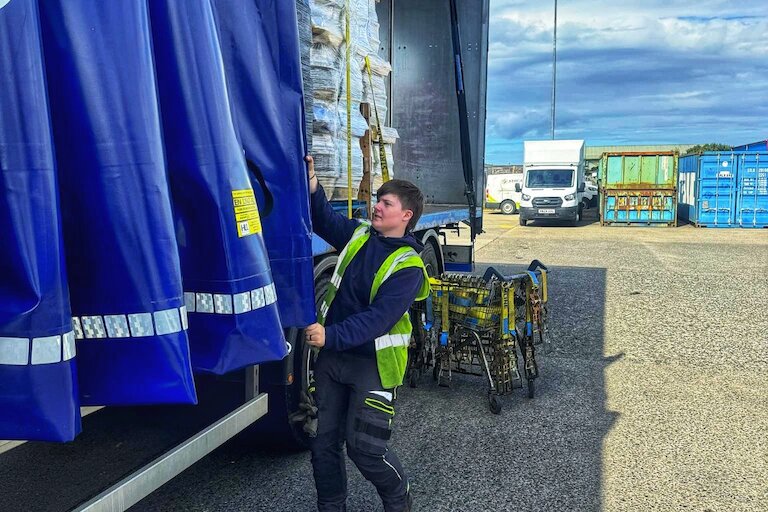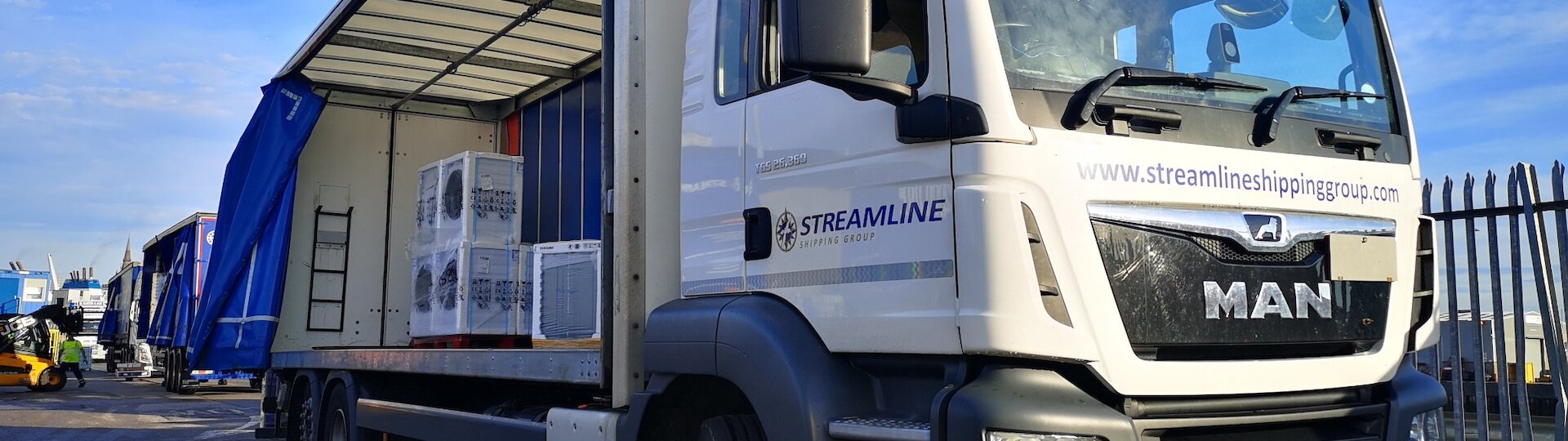
Shipping goods across the UK can often feel complex for businesses, particularly when deciding between full load and part load freight options. However, understanding the differences between these transport solutions (including cost, delivery speed and ideal use cases) can help you make informed logistics decisions. This article will walk you through the key considerations and explain when each option works best.
What Do Full Load and Part Load Freight Mean?
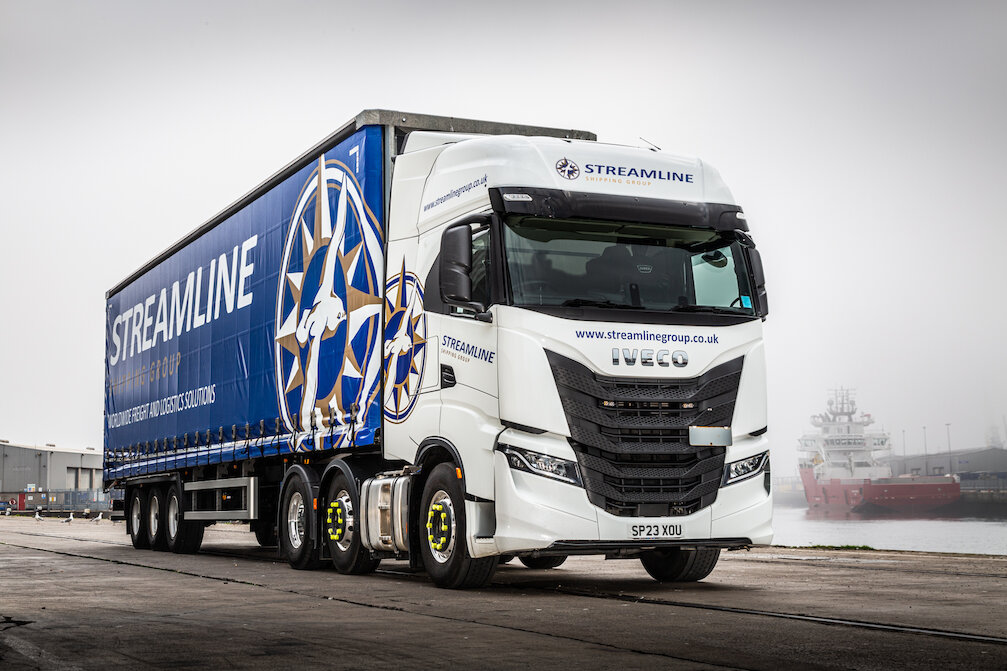
Full load freight (FTL) refers to using an entire truck for a single shipment. Your cargo fills the vehicle, and the truck goes directly from pickup to delivery, minimising handling or stopping along the route.
Part load freight (LTL), on the other hand, combines shipments from multiple businesses in a single vehicle. This method allows smaller consignments to move efficiently, without having to pay for a full truck.
Choosing the right option depends on various factors such as your cargo volume, delivery schedule and budget. Professional transport companies (like Streamline Shipping Group) can help businesses assess which solution is most suitable, combining route planning, fleet management and cargo optimisation.
Cost Differences Between Full Load and Part Load Freight
Cost is often a primary consideration when it comes to freight transport. It’s important to note that full load freight tends to come with a higher price per shipment because you are hiring the entire truck. However, it often saves time and reduces the risk of damage since your goods are handled less frequently.
Part load freight is usually more cost-effective if you have smaller shipments, as costs for the vehicle are shared across multiple clients. The trade-off is that the truck may make multiple stops and deliveries, which can slightly increase transit time.
Freight Delivery Speed and Efficiency
When it comes to delivery schedules, full load freight is generally faster because the delivery vehicle moves directly from origin to destination. This direct route reduces the chance of delays and is ideal for time-sensitive shipments.
Opting for part load freight, on the other hand, may involve additional stops at consolidation hubs, which can add a little extra time when it comes to delivery. However, advances in logistics planning, tracking systems and regional networks mean part load shipments still remain reliable and predictable. At Streamline Shipping Group, we leverage our UK depot network and transport expertise to minimise delays and maximise efficiency for both FTL and LTL shipments.
Ideal Use Cases for Full Load and Part Load Freight
Choosing between full load and part load options depends on your business needs. We’ve outlined best use cases for each to help you decide:
- Full load freight: Best for large shipments, time-sensitive deliveries, high-value cargo, or when your goods occupy most of a truck’s capacity.
- Part load freight: Suitable for smaller shipments, regular deliveries, cost-sensitive shipments, or when combining freight with other businesses is more efficient.
Many businesses choose to mix FTL and LTL depending on seasonal demand, delivery frequency and cargo volume. If you’re still unsure what to do, consulting with an experienced transport company like Streamline can help identify the optimal approach for your operations.
Why Partner with a Professional Transport Company?
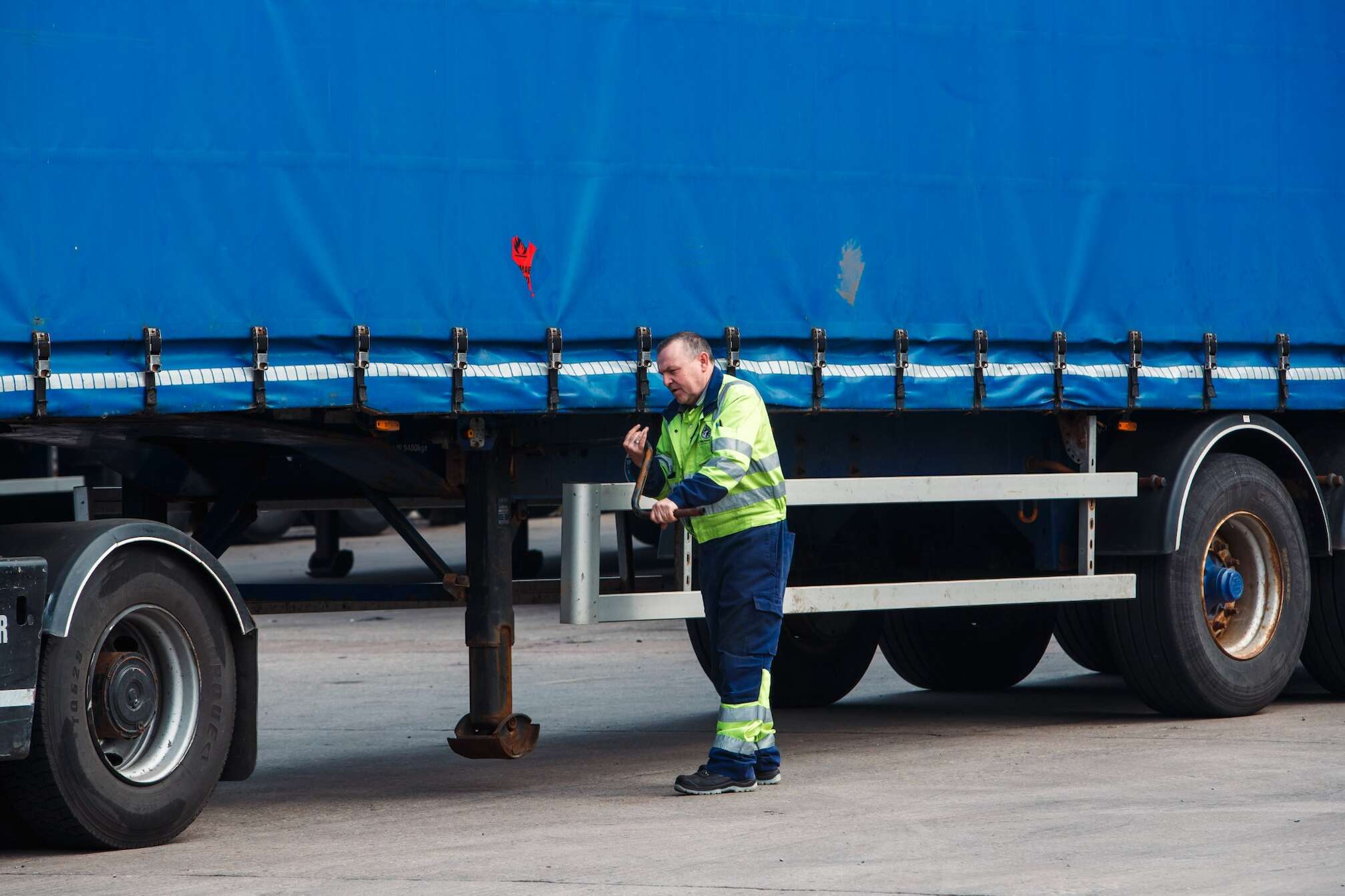
Working with a trusted freight transport provider like Streamline Shipping Group ensures:
- Tailored solutions based on your cargo size, schedule and budget
- Modern fleet management and route planning expertise
- Coverage across Scotland, the UK, and major European routes
- Transparency with tracking and proof of delivery systems